



From Blank Page to Big Idea: How to Create a Personal Creativity Toolkit
Share
Every Great Project Begins Somewhere
Sometimes an idea arrives unexpectedly.
During a morning walk.
While reading a book.
In the middle of a conversation.
Or when you're supposed to be doing something completely different.
But ideas can disappear just as quickly as they arrive.
A personal creativity toolkit gives you a convenient place to capture, explore, and develop them.
You don't need to be an artist or designer.
Creativity is useful for students, teachers, entrepreneurs, writers, hobbyists, and anyone who enjoys solving problems in new ways.
1. Choose an Idea Notebook
Start with one notebook dedicated to capturing ideas.
It doesn't need to be perfectly organized.
Use it for:
-
Questions
-
Project concepts
-
Sketches
-
Interesting observations
-
Personal goals
-
Creative writing
-
Possible solutions to problems
The goal is to capture ideas before judging whether they're useful.
2. Include Different Writing Tools
Different tools can encourage different ways of thinking.
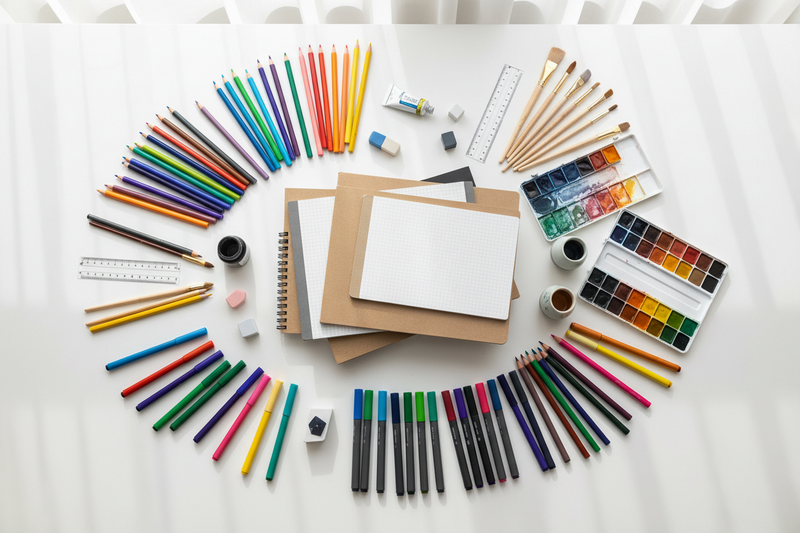
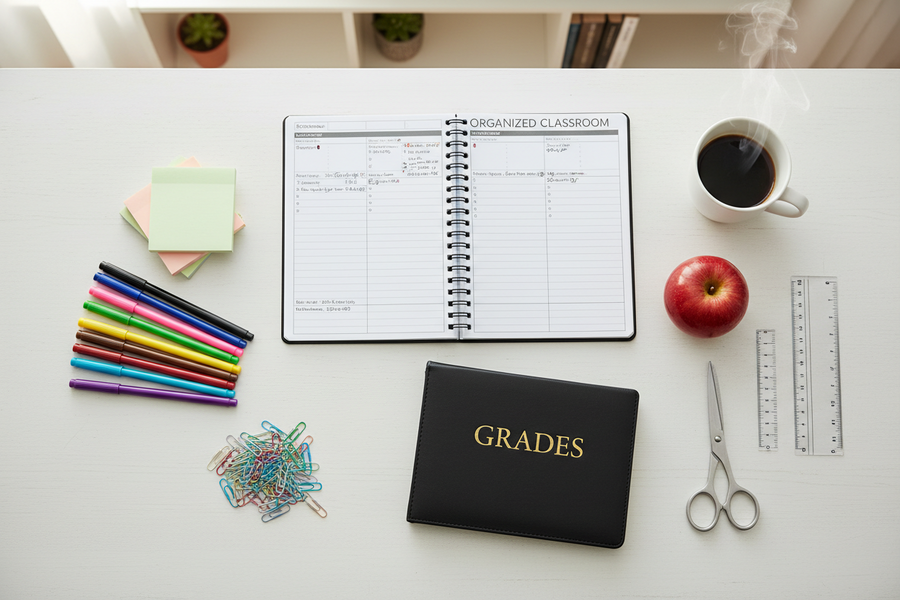
A pencil is useful for sketches that may change.
A fine-tip pen works well for diagrams.
Colored pens can help distinguish categories.
Highlighters can identify ideas worth revisiting.
Choose a small selection that feels comfortable rather than collecting supplies you rarely use.
3. Use Sticky Notes to Rearrange Ideas
Sticky notes are particularly useful when brainstorming.
Write one idea on each note.
Then arrange the notes into groups.
For example, someone planning a new project might create categories such as:
-
Customer needs
-
Product ideas
-
Design concepts
-
Questions
-
Next steps
Moving notes around can make connections easier to see.
4. Try a Simple Mind Map
Write your main idea in the center of a page.
Draw branches for related topics.
For example, a personal project about organizing a study space might include:
Study Space
-
Lighting
-
Storage
-
Comfort
-
Supplies
-
Schedule
-
Budget
Add more details to each branch.
Mind maps are useful for exploring a topic without requiring a rigid outline at the beginning.
5. Create an Inspiration File
Not every idea needs immediate action.
Keep a folder or notebook section for concepts you may revisit later.
This might include your own sketches, written observations, project notes, or appropriately licensed reference materials.
Avoid copying protected artwork or designs into commercial projects without the necessary rights.
6. Turn Ideas Into Small Experiments
A creativity toolkit becomes more valuable when you use it to test ideas.
Instead of waiting until a project feels perfect, try creating a simple first version.
For example:
-
Draft one page of a story.
-
Sketch a basic product concept.
-
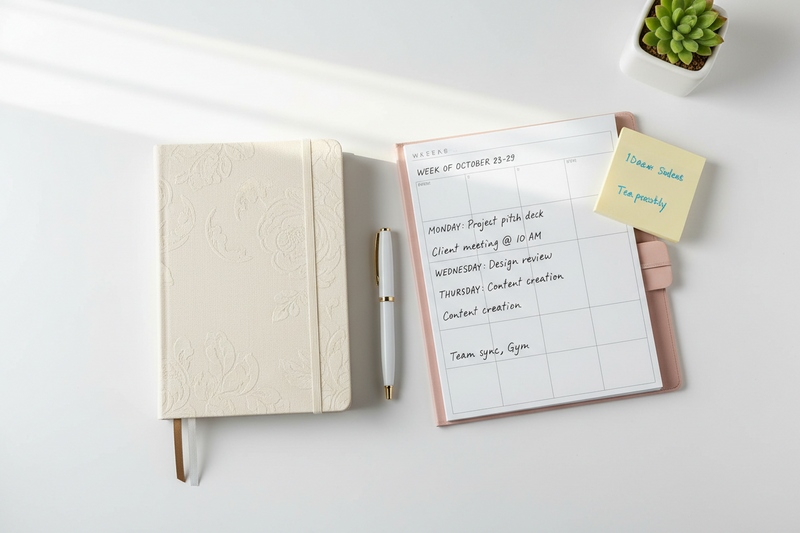
Design a sample weekly planner.
-
Create a small classroom activity.
-
Build a rough presentation outline.
Small experiments can help you understand what works and what needs improvement.
7. Make Space for Reflection
After trying an idea, ask:
-
What worked well?
-
What was difficult?
-
What surprised me?
-
What would I change?
-
What should I try next?
Record the answers in your notebook.
Reflection can turn one creative attempt into a starting point for the next.
8. Keep Your Toolkit Portable
Creativity doesn't always happen at a desk.
A small pencil case, compact notebook, and a few writing tools can make it easier to capture ideas wherever you are.
Choose durable, portable supplies that fit your routine.
BrightDesk Co. Picks
Sketchbooks & Journals — Capture ideas and creative experiments.
Fine Liners & Gel Pens — Support writing, diagrams, and visual planning.
Sticky Notes — Rearrange ideas and organize brainstorming sessions.
Colored Pencils & Markers — Explore visual concepts.
Folders & Storage Pouches — Keep creative materials together.
Creativity Toolkit Checklist
-
Choose a dedicated idea notebook.
-
Keep dependable writing tools nearby.
-
Add sketching supplies if useful.
-
Use sticky notes for brainstorming.
-
Create an inspiration folder.
-
Test ideas through small projects.
-
Review and refine your work.
-
Keep the toolkit easy to access.
Frequently Asked Questions
Do I need expensive supplies to be creative?
No. A notebook, pencil, and a few basic tools are enough to begin.
What is the best notebook for brainstorming?
Choose a format that suits your style. Blank, dotted, and ruled notebooks can all work well.
How can I develop more original ideas?
Observe everyday problems, explore different perspectives, combine concepts thoughtfully, and experiment with your own solutions.
How do I avoid copying someone else's creative work?
Use your own original expression and obtain appropriate permission or licenses before incorporating protected third-party material into commercial work.
Give Your Ideas Somewhere to Grow
Creativity doesn't require a perfect workspace or a complicated process.
It begins with curiosity, a willingness to experiment, and a place to record what you discover.
Explore BrightDesk Co.: Creative & Art Supplies · Notebooks & Journals · Writing Essentials