




From Refrigerator Art to Lasting Memories: A Parent's Guide to Organizing Kids' Schoolwork
Share
Every Drawing Tells a Story
It starts with one colorful picture on the refrigerator.
Then another.
Soon, the kitchen counter is covered with drawings, spelling worksheets, handmade cards, classroom projects, and paintings.
Every piece feels special because someone you love created it.
But keeping every single sheet of paper can quickly become overwhelming.
The challenge isn't deciding whether your child's creativity matters. Of course it does.
The challenge is finding a practical way to celebrate those creations without allowing them to take over your home.
A thoughtful organization system can help preserve meaningful memories while making everyday cleanup easier.
1. Create a Dedicated Artwork Collection Area
Begin by choosing one place for new artwork and school papers.
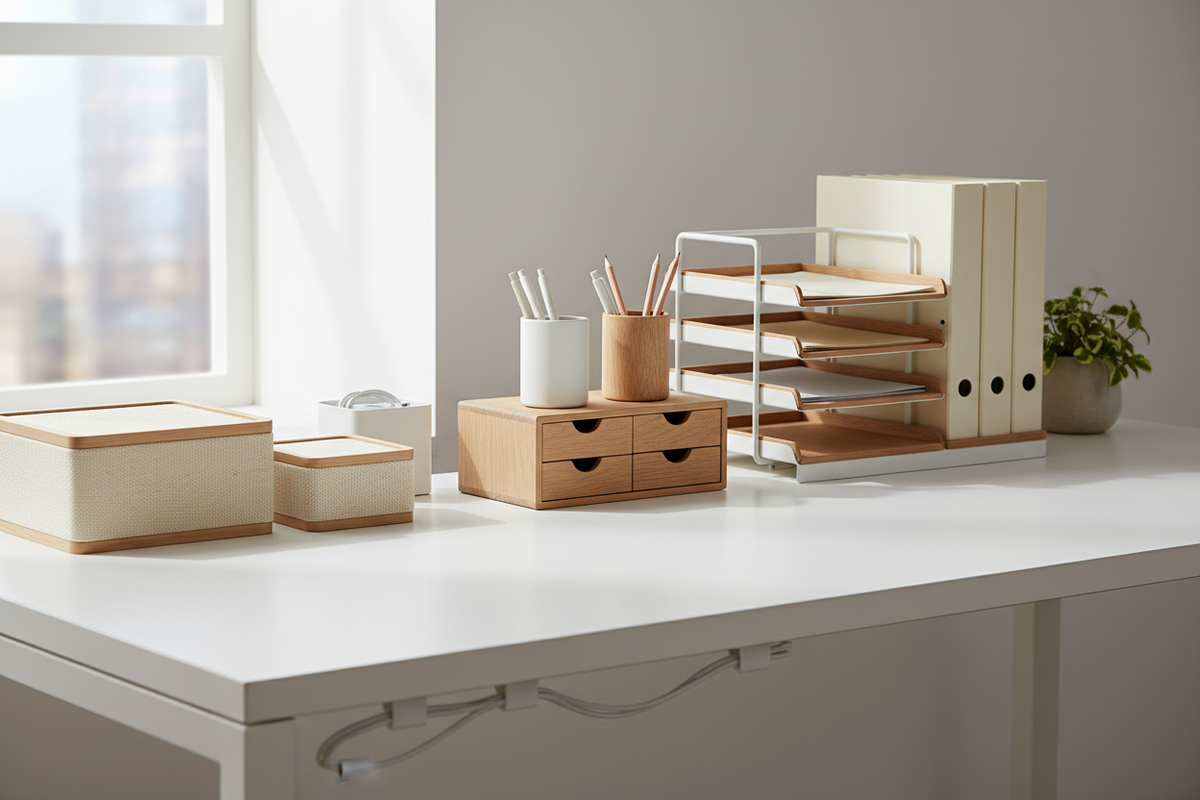
A large folder, document tray, or shallow storage bin can work well.
Instead of leaving drawings on multiple surfaces, encourage children to place their creations in this designated area.
A simple label such as New Artwork makes the purpose clear.
This becomes a temporary collection point rather than permanent storage.
2. Separate Everyday Papers from Special Keepsakes
Not every worksheet needs to become a lifelong memory.
Create three categories.
Display
Artwork your child is especially proud of or that your family wants to enjoy right now.
Keep
Meaningful creations, milestone projects, special letters, and examples that show personal growth.
Recycle
Routine practice sheets, duplicates, and papers that no longer need to be retained.
Before discarding something, check whether it contains important school information or personal details requiring secure disposal.
3. Create a Rotating Home Art Gallery
Children often enjoy seeing their creations displayed.
Choose a small area where artwork can be changed regularly.
Possible locations include:
-
A magnetic display board
-
A bulletin board
-
A designated wall
-
A simple display frame
-
A shelf for three-dimensional projects
Allow your child to participate in choosing what gets displayed.
When a new piece goes up, move the previous one into the sorting system.
This keeps the display fresh without covering every available surface.
4. Build a School-Year Memory Box
Choose one storage box for each child.
Inside, use folders or dividers labeled by school year.
For example:
Kindergarten
First Grade
Second Grade
Third Grade
Keep selected items such as:
-
Favorite drawings
-
Special classroom projects
-
Meaningful writing assignments
-
School event programs
-
Personal letters
-
Creative work that shows progress
A memory box doesn't need to contain everything.
A thoughtful selection can tell a wonderful story.
5. Add Dates and Short Descriptions
Years later, it may be difficult to remember when a drawing was made or why it was special.
Before storing a keepsake, write the date and a short description on an appropriate label or accompanying note.
For example:
October 2026 — My First Story About Space
You can also record a sentence your child said about the artwork.
Use archival-safe materials when long-term preservation is important, and avoid writing directly on delicate original artwork.
6. Photograph Oversized Projects
Some creations are difficult to store.
Large posters, cardboard models, and three-dimensional crafts may take up significant space.
Photograph these projects before deciding what to keep.
Use a plain background and good lighting.
For personal family memories, store the photographs in a secure, organized location.
If photographs include children or identifying school information, consider privacy before sharing them publicly.
7. Create a Simple Monthly Sorting Routine
Choose one day each month to review the collection area.
Invite your child to help.
Ask:
-
Which creation is your favorite?
-
What did you enjoy making?
-
What would you like to display?
-
Which pieces should go into your memory box?
This turns organization into a positive family activity rather than an unpleasant cleanup task.
8. Keep Creative Supplies Organized Too
Artwork organization becomes easier when the supplies used to create it also have dedicated homes.
Consider separate containers for:
-
Drawing paper
-
Crayons
-
Colored pencils
-
Washable markers
-
Glue sticks
-
Child-safe scissors
-
Finished projects
Use age-appropriate storage and supervise activities involving scissors or other tools.
BrightDesk Co. Picks
Document Folders — Separate schoolwork by year or category.
Storage Bins — Create dedicated areas for artwork and supplies.
Labels & Sticky Tabs — Identify keepsakes and important sections.
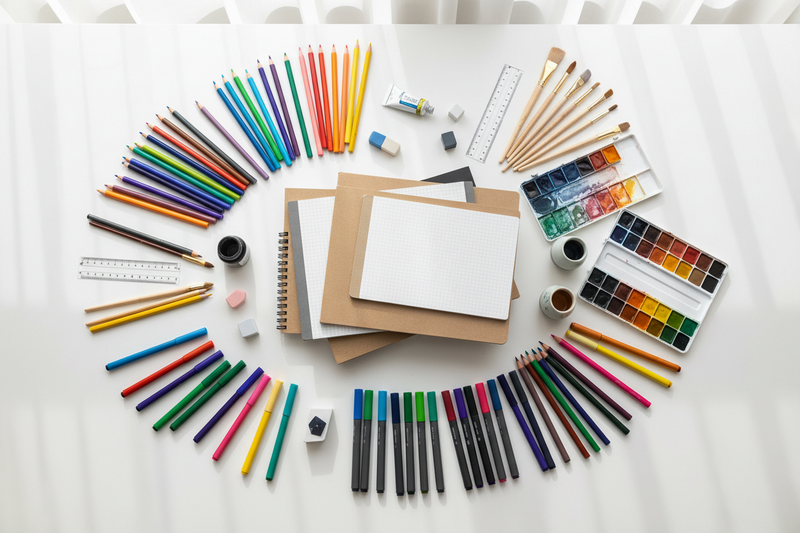
Art & Creative Supplies — Support new creative projects.
Notebooks & Journals — Preserve stories, ideas, and personal reflections.
Family Artwork Organization Checklist
-
Create one collection area.
-
Separate display, keep, and recycle items.
-
Choose a rotating artwork display.
-
Prepare a memory box for each child.
-
Label keepsakes by year.
-
Photograph oversized creations.
-
Organize art supplies.
-
Review the collection monthly.
Frequently Asked Questions
How much of my child's artwork should I keep?
There is no universal amount. Choose pieces that are meaningful to your family, show development, or represent special memories.
What is the best way to store school papers?
Labeled folders inside a suitable storage box provide a straightforward system.
Should I photograph every drawing?
Not necessarily. Photographing selected pieces can help preserve memories without creating an unnecessarily large digital collection.
How can children participate in organizing their artwork?
Let them select favorite pieces, help label folders, and choose what to display.
What should I do with artwork containing personal information?
Store it securely and remove or dispose of identifying information appropriately before sharing or discarding it.
Make Room for Creativity and Memories
Children create more than paper projects.
They create stories, discoveries, and reminders of how quickly they're growing.
A simple organization system helps you appreciate those moments without becoming overwhelmed by clutter.
Explore BrightDesk Co.: School Essentials · Creative & Art Supplies · Storage & Organization