




Your First Apartment, Your First Workspace: A Smart Desk Setup on a Realistic Budget
Share
A Small Space Can Still Support Big Goals
Moving into your first apartment is exciting.
You finally have a space to arrange the way you want.
But once the essentials are unpacked, you may discover that your living room also needs to function as a study area, remote office, and creative workspace.
A separate office room may not be realistic.
Fortunately, a functional workspace doesn't require a large floor plan.
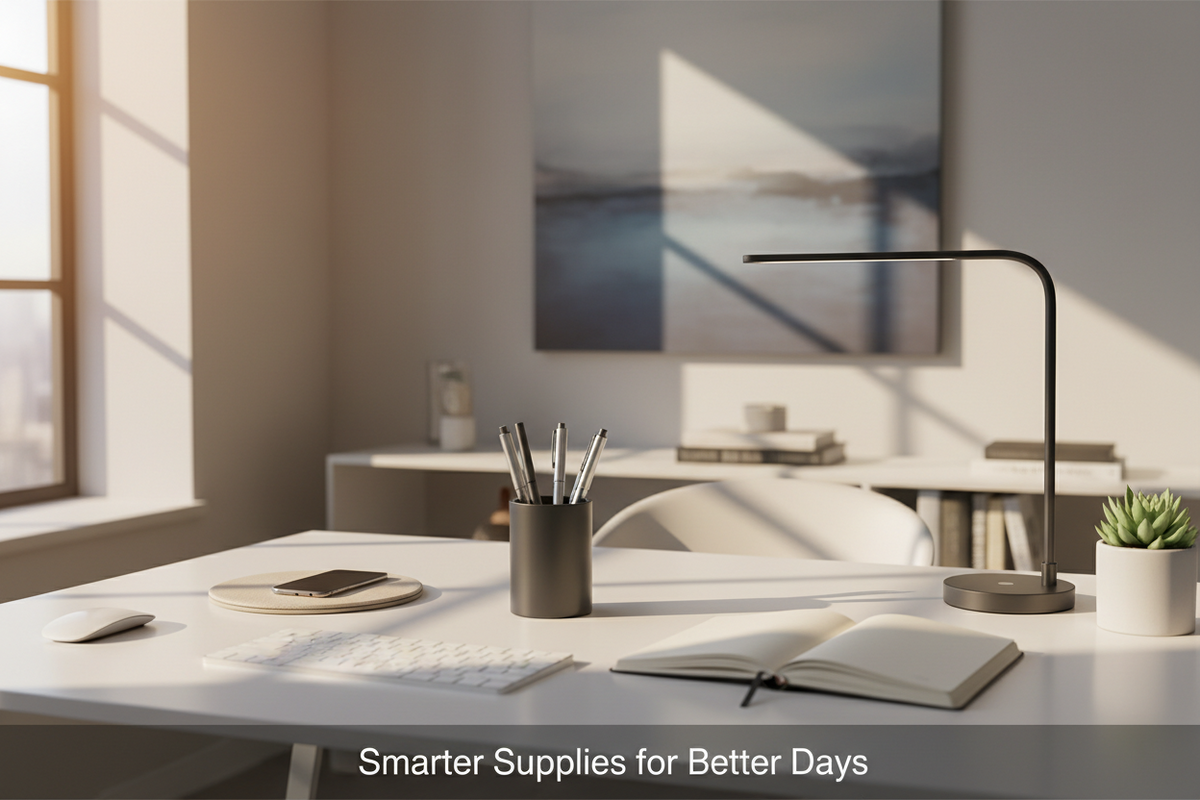
With thoughtful furniture placement and a few practical accessories, even a small corner can become a comfortable place to work, study, and plan.
1. Choose the Best Available Location
Start by looking at the space you already have.
Potential locations include:
-
A bedroom corner
-
An unused living room wall
-
A space beside a bookshelf
-
A suitable alcove
-
A quiet area near a window
Consider natural light, available electrical outlets, walking space, and household noise.
Avoid blocking doors, exits, or essential pathways.
2. Measure Before Buying
A desk may look compact online but feel oversized in a small apartment.
Measure:
-
Available wall width
-
Desk depth
-
Chair clearance
-
Nearby doors
-
Electrical outlet locations
-
Space needed for movement
Use these measurements to narrow your options.
A smaller desk with a clear working surface may be more practical than a larger desk that crowds the room.
3. Prioritize the Essentials
When setting up a workspace on a budget, begin with what you actually need.
A basic setup might include:
-
Stable desk or suitable work surface
-
Comfortable chair
-
Laptop or computer
-
Task lamp
-
Notebook
-
Writing supplies
-
Small organizer
Additional accessories can be added later.
4. Use Vertical Space
Small rooms often benefit from storage that makes use of wall or shelf space.
Consider:
-
Desktop shelves
-
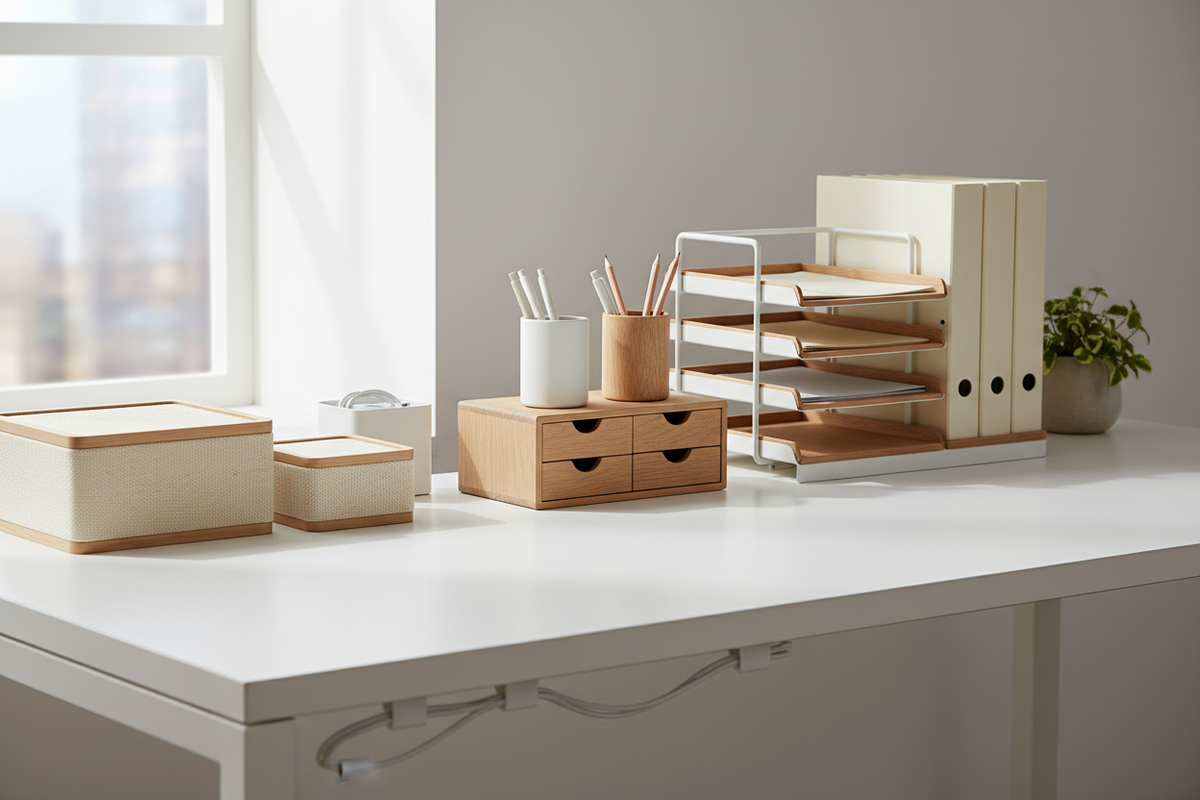
Vertical file holders
-
Stackable trays
-
Wall-mounted storage where permitted
-
Compact bookcases
If you're renting, check your lease and obtain permission before making changes that require drilling or permanent installation.
5. Keep Cables Under Control
Cables can make a compact workspace feel crowded.
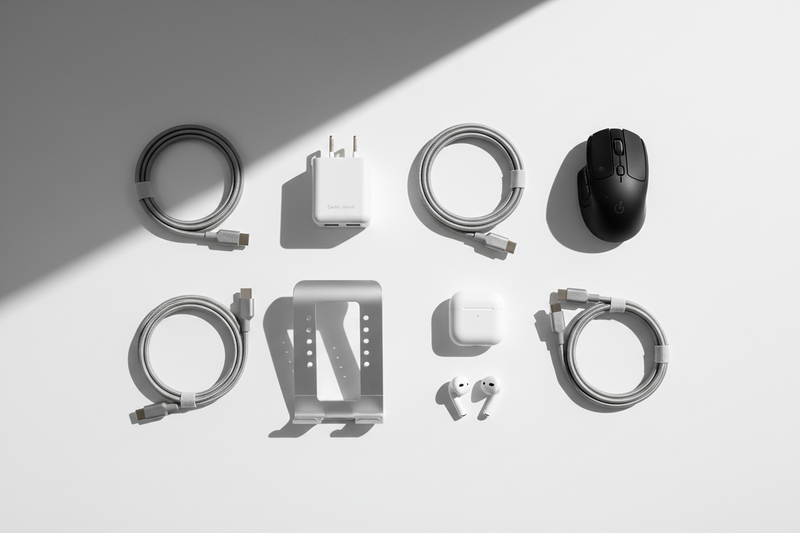
Use clips, reusable ties, or suitable cable trays to keep cords organized.
Avoid placing cords where they create tripping hazards.
Follow manufacturer instructions for power strips, chargers, and electrical accessories.
6. Choose Multipurpose Accessories
When space is limited, versatility matters.
A monitor riser with storage can provide room for small supplies.
A portable document organizer can move between rooms.
A desk lamp with adjustable positioning can support reading, writing, and computer work.
Choose products based on their actual features and your available space.
7. Create a Simple Paperwork System
First apartments often come with new responsibilities.
You may need to manage:
-
Rental documents
-
Utility information
-
Insurance paperwork
-
Work records
-
Personal schedules
-
Important receipts
Use clearly labeled folders and store sensitive documents securely.
Check applicable retention requirements before discarding important records.
8. Make the Space Feel Personal
A workspace should be practical, but it can also reflect your style.
Choose a few details that make the area welcoming.
For example:
-
A small plant
-
A framed photograph
-
A neutral desk mat
-
A favorite notebook
-
A coordinated organizer
Avoid overcrowding the surface.
9. Build a Gradual Upgrade Plan
You don't need to purchase everything immediately.
Start with the essentials.
After using the workspace for a few weeks, identify the problems you encounter.
Perhaps you need better lighting.
Maybe additional document storage would help.
Or you may discover that your existing setup works perfectly well.
Buy upgrades to solve real problems rather than simply filling the space.
BrightDesk Co. Picks
Desk Organizers — Keep everyday supplies accessible.
Laptop Stands — Support flexible screen positioning.
Task Lamps — Provide suitable workspace lighting.
File Holders — Organize apartment and work documents.
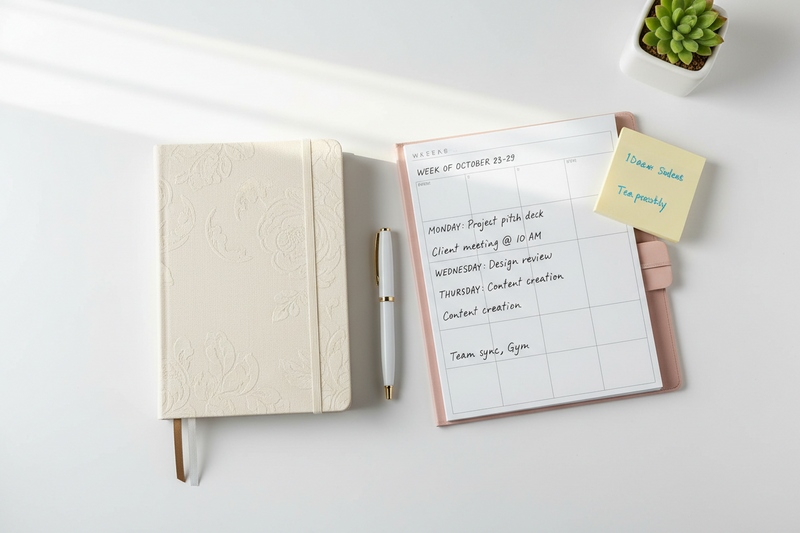
Notebooks & Planners — Manage daily responsibilities.
Cable Management Accessories — Keep cords organized.
First Apartment Workspace Checklist
-
Choose a suitable location.
-
Measure the available space.
-
Identify essential equipment.
-
Provide comfortable seating.
-
Add suitable lighting.
-
Organize cables.
-
Create document storage.
-
Keep the desk surface clear.
-
Add personal details.
-
Upgrade only when needed.
Frequently Asked Questions
Can I create a home office in a studio apartment?
Yes. A compact desk, suitable lighting, and vertical storage can help create a functional work area within a shared living space.
What should I buy first for a small workspace?
Prioritize a stable work surface, suitable chair, lighting, and the equipment required for your work or study.
How can I organize a desk without drawers?
Use vertical file holders, desktop organizers, and compact storage containers.
Do I need expensive accessories for a comfortable workspace?
Not necessarily. Begin with practical essentials and make adjustments based on your needs.
Make Your Space Work for Your Life
Your first apartment doesn't need to look like a designer showroom.
It needs to support the way you live.
A well-planned workspace can help you study, work, create, and manage everyday responsibilities—even when space and budget are limited.
Explore BrightDesk Co.: Desk Organization · Home Office Essentials · Planners & Notebooks