




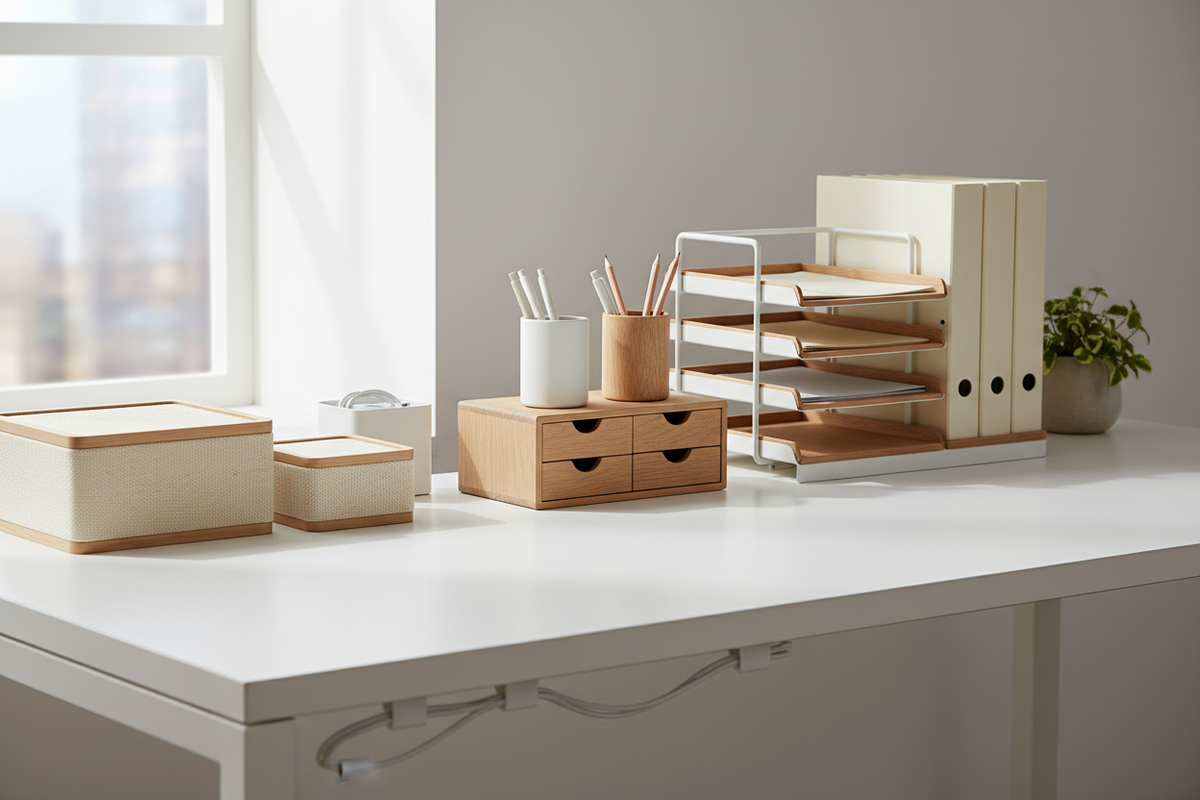

Growing Minds, Changing Needs: A Parent's Guide to School Supplies by Grade Level
Share
One School Supply List Doesn't Fit Every Student
A first grader and a high school student may both need pencils and notebooks.
But their daily routines are very different.
Younger children are learning how to manage belongings, follow instructions, and practice basic writing skills.
Middle school students begin balancing more subjects, teachers, and assignments.
High school students often manage increasingly complex schedules, projects, and independent study.
Choosing supplies according to a student's current needs can make school preparation easier and reduce unnecessary purchases.
1. Kindergarten Through Grade 2: Keep It Simple and Accessible
For younger students, simplicity is important.
Supplies should be easy to identify, hold, and return to their designated locations.
Common essentials may include:
-
Pencils
-
Erasers
-
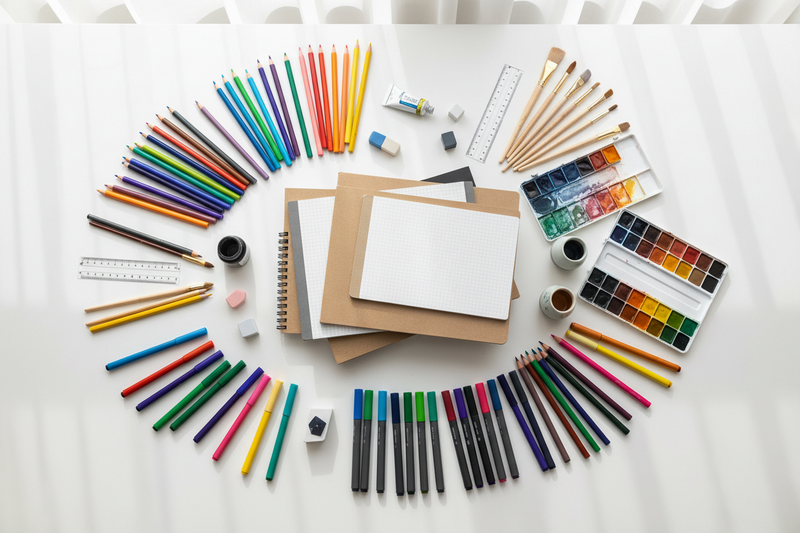
Crayons
-
Washable markers
-
Glue sticks
-
Child-safe scissors
-
Wide-ruled notebooks
-
Pocket folders
-
Pencil cases
Follow the teacher's list and choose age-appropriate products.
Organization Tip
Use picture labels or large-print labels to help children recognize where materials belong.
A small supply caddy can make cleanup easier.
2. Grades 3–5: Introduce More Independence
As students progress through elementary school, assignments may become longer and involve more subjects.
Useful supplies can include:
-
Subject notebooks
-
Highlighters
-
Rulers
-
Index cards
-
Colored pencils
-
Folders
-
Basic planners
-
Pencil organizers
Encourage students to check their supplies and prepare their backpacks with gradually less assistance.
Organization Tip
Create a simple weekly backpack check.
Students can review missing papers, worn-out supplies, and upcoming assignments.
3. Grades 6–8: Organize Multiple Subjects
Middle school often introduces greater scheduling complexity.
Students may need to manage several classes, different teachers, and multiple assignment deadlines.
Helpful tools include:
-
Subject dividers
-
Binders
-
Spiral notebooks
-
Planners
-
Highlighters
-
Sticky tabs
-
Document folders
-
Graph paper where required
Organization Tip
Assign a consistent color to each subject.
For example, use blue for mathematics, green for science, and yellow for language arts.
Apply the same colors to notebooks, folders, and planner entries.
4. Grades 9–12: Support Independent Planning
High school students often benefit from more detailed planning systems.
Their workload may include exams, essays, presentations, extracurricular activities, and college or career preparation.
Useful supplies may include:
-
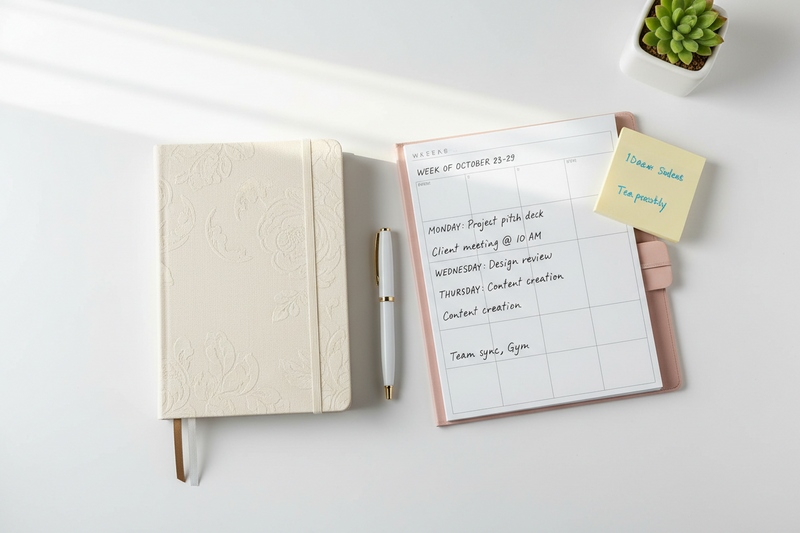
Weekly planners
-
Durable notebooks
-
Subject folders
-
Index cards
-
Fine-tip pens
-
Highlighters
-
Document organizers
-
Course-specific materials
Organization Tip
Encourage students to plan larger assignments backward from the deadline.
A project due in four weeks can be divided into research, drafting, revision, and final preparation.
5. Choose Quality Where It Matters
Not every school supply needs to be premium.
Focus on durability and suitability for items used frequently.
Consider:
-
Whether the notebook binding is durable
-
Whether folders hold papers securely
-
Whether writing tools are comfortable
-
Whether storage containers fit the available space
-
Whether the item meets classroom requirements
The most useful product is the one that fits the student's actual needs.
6. Avoid Overbuying
Before shopping:
-
Review the official school supply list.
-
Check supplies already available at home.
-
Separate reusable items from consumables.
-
Identify what needs replacement.
-
Compare multipacks based on expected use.
Buying more isn't always better, especially when storage space is limited.
7. Let Students Participate in Preparation
Age-appropriate participation can help students practice responsibility.
Younger children can choose colors or label folders.
Older students can review their supply lists, organize notebooks, and identify items they need.
This turns shopping into an opportunity to develop useful planning habits.
BrightDesk Co. Picks
School Essentials — Everyday writing and classroom supplies.
Notebooks & Paper — Options for different grade levels and subjects.
Pencil Cases & Organizers — Keep frequently used tools together.
Binders & Folders — Support subject organization.
Student Planners — Help manage assignments and deadlines.
Creative Learning Supplies — Support age-appropriate classroom projects.
School Supply Shopping Checklist
-
Review teacher requirements.
-
Check existing supplies.
-
Choose age-appropriate products.
-
Match notebooks to classroom needs.
-
Label personal items.
-
Prepare a simple organization system.
-
Store backup supplies at home.
-
Review needs during the school year.
Frequently Asked Questions
Do all schools require the same supplies?
No. Requirements vary by school, grade, teacher, and course.
Should parents buy extra school supplies?
A small backup supply can be convenient for frequently used items, but avoid unnecessary quantities.
When should students begin using planners?
Simple planners can be introduced when students are ready to practice tracking assignments and activities.
Are expensive school supplies necessary?
No. Practicality, durability, suitability, and classroom requirements are more important than price alone.
The Right Tools for Every Learning Stage
As children grow, their school supplies should evolve with them.
A thoughtful selection of everyday essentials can support greater independence, better preparation, and more organized learning routines.
Explore BrightDesk Co.: School Essentials · Notebooks & Paper · Student Organization